Sealing and Waterproofing Concrete With Polyurethane Foam: How Contractors Use PolyPier to Protect and Restore Concrete Structures
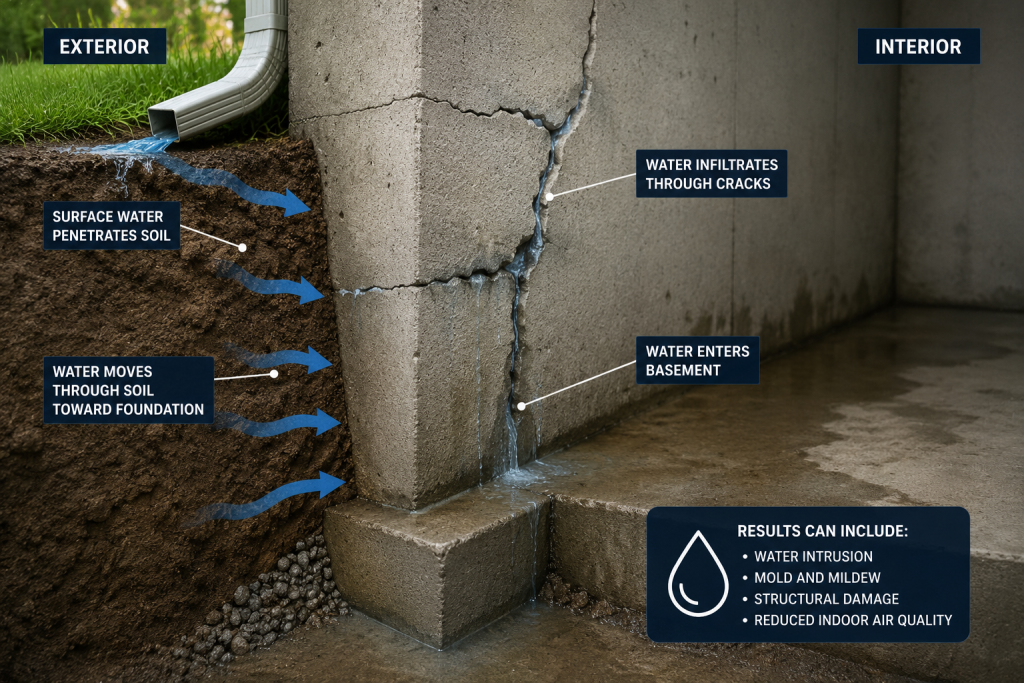
Water infiltration is one of the leading causes of concrete deterioration. Whether moisture enters through foundation cracks, construction joints, utility penetrations, or subsurface voids, uncontrolled water intrusion can accelerate deterioration, reduce structural performance, and lead to costly repairs.
For foundation repair, waterproofing, and infrastructure contractors, polyurethane injection has become one of the most effective methods for sealing leaks, filling voids, and stabilizing surrounding soils. PolyPier® polyurethane foam is engineered to expand into cracks and voids, creating a durable, closed-cell barrier that helps control water infiltration while supporting long-term structural performance.
Whether repairing commercial facilities, municipal infrastructure, residential foundations, or marine structures, contractors rely on PolyPier to deliver fast, minimally invasive repairs with long-lasting results.
What Is PolyPier Polyurethane Foam?
PolyPier is a high-performance polyurethane injection foam designed for concrete repair, waterproofing, void filling, and soil stabilization. When its two components are combined during injection, the material rapidly expands into cracks, joints, and voids before curing into a durable closed-cell foam.
Because of its controlled expansion and excellent adhesion, PolyPier can be used in applications where traditional sealants often fall short. The material conforms to irregular spaces, fills hidden voids, and creates an effective barrier against water intrusion without extensive excavation or demolition.
Its versatility makes it a valuable solution across foundation repair, commercial construction, transportation infrastructure, and geotechnical applications.
Why Water Infiltration Is a Serious Problem for Concrete Structures
Concrete is exceptionally durable, but it is not waterproof. Over time, movement, settlement, thermal expansion, shrinkage, and environmental exposure can create pathways that allow water to penetrate concrete structures.
Left untreated, moisture infiltration can contribute to:
- Continued crack growth
- Soil erosion beneath slabs and foundations
- Freeze-thaw deterioration
- Corrosion of embedded reinforcing steel
- Interior water intrusion
- Loss of structural support caused by developing voids
Addressing water intrusion early helps contractors prevent larger structural problems while extending the service life of the concrete.
Why Contractors Choose PolyPier for Concrete Sealing and Waterproofing
PolyPier offers several advantages that make it well suited for professional concrete repair and waterproofing applications.
Closed-Cell Moisture Resistance
Once cured, PolyPier forms a closed-cell structure that resists water absorption and helps create a durable barrier against future moisture infiltration.
Controlled Expansion
The expanding foam penetrates narrow cracks, joints, and hidden voids, allowing contractors to seal areas that are difficult to reach using conventional repair materials.
Excellent Adhesion
PolyPier bonds effectively to concrete surfaces, helping create long-lasting repairs even in challenging environments.
Flexible Performance
Unlike rigid repair materials, cured polyurethane foam can accommodate normal structural movement without immediately compromising the seal.
Fast Installation
PolyPier cures quickly, reducing downtime and allowing many structures to return to service sooner than traditional repair methods.
| Application | Typical Contractor Objective |
| Foundation cracks | Seal active water infiltration and prevent additional moisture intrusion |
| Construction joints | Waterproof joints while accommodating normal movement |
| Void filling | Fill hidden subsurface voids beneath slabs and foundations |
| Soil stabilization | Improve bearing capacity beneath structures and pavements |
| Concrete lifting | Restore settled slabs with controlled polyurethane injection |
| Bulkheads and seawalls | Control water infiltration while stabilizing surrounding soils |
| Utility penetrations | Create watertight seals around pipes, conduits, and utility openings |
| Infrastructure repair | Support rehabilitation of bridges, tunnels, culverts, retaining walls, and other concrete structures |
PolyPier Compared to Traditional Sealants
| Repair Challenge | Traditional Sealants | PolyPier Polyurethane Foam |
| Active water infiltration | Limited effectiveness | Excellent |
| Expands into hidden voids | No | Yes |
| Closed-cell moisture resistance | Varies | Yes |
| Soil stabilization | No | Yes |
| Void filling | Limited | Excellent |
| Fast return to service | Moderate | Excellent |
| Injection through small ports | Limited | Yes |
Best Practices for Polyurethane Injection
Successful polyurethane injection depends on more than selecting the right material. Contractors should evaluate crack conditions, determine the source of water infiltration, identify hidden voids, and develop an injection strategy that provides complete coverage while minimizing material waste.
Proper injection pressure, port spacing, and sequencing all contribute to achieving consistent results. When installed by trained professionals, PolyPier delivers reliable performance across a wide range of concrete repair and waterproofing applications.
See PolyPier in Action
Every repair presents unique challenges, from active leak sealing and void filling to soil stabilization and concrete lifting. Explore our PolyPier Case Studies to see how contractors use polyurethane injection technology to solve real-world waterproofing and structural repair projects.
Frequently Asked Questions
PolyPier can be used to seal many types of cracks associated with water infiltration. Contractors should always evaluate whether a crack requires leak sealing, structural repair, or another specialized solution before selecting the appropriate injection method.
Yes. Closed-cell polyurethane foam is widely used to seal active water infiltration in concrete structures by expanding into cracks and creating a durable moisture barrier.
Absolutely. PolyPier is frequently used to stabilize weak soils, fill underground voids, and improve support beneath slabs, foundations, roadways, and other structures.
While epoxy is often selected to restore structural continuity in certain cracks, polyurethane foam is commonly chosen for sealing water infiltration, filling voids, and stabilizing soils. The appropriate repair method depends on the project’s specific objectives.
Yes. PolyPier expands to fill hidden voids beneath concrete slabs and other structures, helping restore support and reduce future settlement.
PolyPier is used across residential foundation repair, commercial construction, municipal infrastructure, transportation, industrial facilities, marine construction, and geotechnical applications.
Ready to Add PolyPier to Your Service Offerings?
Whether you’re expanding your foundation repair services, growing your waterproofing business, or looking to offer advanced polyurethane injection solutions, PolyPier gives contractors a proven system backed by ECP’s industry expertise and technical support.
By becoming an ECP partner, you’ll gain access to innovative PolyPier products, professional training, engineering resources, and a knowledgeable team dedicated to helping your business succeed.
Visit our Become a Partner page today to learn how PolyPier can help you expand your services and grow your business.