The Smart Contractor’s Guide to Adding Concrete Lifting Services
Concrete repair season brings opportunity.
Every spring, homeowners begin noticing sunken driveways, uneven sidewalks, trip hazards, and settling slabs. For contractors, that demand represents something more than repair work—it represents a chance to add a high-demand, high-margin service to their business.
Concrete lifting and leveling using polyurethane technology has become one of the fastest-growing segments in the concrete repair industry. Contractors who adopt the right system—and receive proper training—can expand their service offerings, increase revenue per job, and better serve existing customers.
Here’s what contractors should consider when evaluating whether to add concrete lifting to their business.
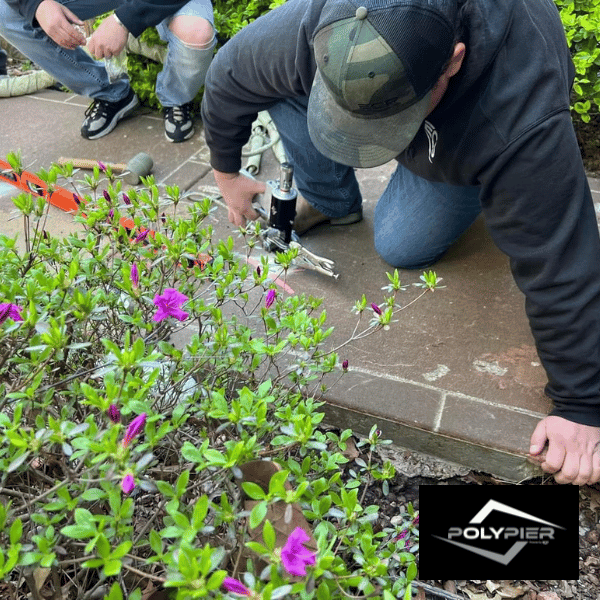
Why Concrete Lifting Is a Natural Service Expansion
Many contractors already work in adjacent markets:
- Foundation repair
- Concrete replacement
- Waterproofing
- General construction
- Remodeling and exterior improvements
Concrete lifting fits seamlessly alongside these services. Instead of turning away sunken slabs or referring the work elsewhere, contractors can handle the project in-house.
That means:
- More control over the job
- Increased profitability
- Stronger customer relationships
- Fewer subcontracted services
For many companies, concrete lifting quickly becomes a recurring revenue stream during peak seasons.
Why Polyurethane Technology Has Changed the Industry
Traditional methods like mudjacking have limitations in weight, material density, and installation disruption. Modern polyurethane systems offer contractors a different approach:
- Lightweight material
- Precise lifting capability
- Minimal site disruption
- Fast curing times
- Efficient installation process
Polyurethane concrete lifting allows contractors to complete jobs quickly—often in a single visit—helping improve scheduling efficiency during busy months.
For companies looking to scale, speed and reliability matter.
The Importance of Proper Training
While the equipment and materials are important, training is what determines success.
Concrete lifting requires:
- Understanding slab behavior
- Proper injection techniques
- Accurate evaluation of void conditions
- Correct slope and stabilization considerations
- Safe equipment handling
Contractors who invest in hands-on training gain confidence in the system and deliver consistent results in the field.
That’s where structured training programs—like PolyPier School—come into play.
Adding PolyPier to Your Service Line
ECP’s PolyPier system is an engineered polyurethane solution designed specifically for professional concrete lifting and slab stabilization.
Contractors who attend PolyPier training learn:
- Installation techniques
- Equipment operation
- Material handling
- Real-world job scenarios
- Best practices for slab stabilization and void filling
- Sales and estimating strategies for concrete repair projects
The goal isn’t just to understand the product—it’s to be ready to deploy it profitably in the field.
Turning Seasonal Demand Into Business Growth
Spring is often the busiest time for concrete repair calls. Contractors who prepare ahead of season are positioned to:
- Respond faster to customer requests
- Offer additional services
- Increase average job value
- Reduce lost opportunities
Adding concrete lifting with a polyurethane system can become a strategic advantage rather than just another service line.
For contractors looking to expand thoughtfully, training is the first step.
Ready to Add Concrete Lifting to Your Business?
If you’re considering expanding into polyurethane concrete lifting, hands-on education is the best way to get started.
PolyPier School provides contractors with practical training designed to help them confidently install the PolyPier system and serve customers with professional results.
Learn more about upcoming training opportunities and see how PolyPier can fit into your business growth strategy.
PolyPier FAQ
ECP’s PolyPier system is an engineered polyurethane foam solution designed for professional concrete lifting, slab stabilization, and void filling applications. It is used by contractors to lift and level settled concrete surfaces in residential, commercial, and industrial settings.
Concrete lifting has become a fast-growing service line for contractors because it creates additional revenue opportunities without requiring a complete business overhaul.
Many contractors add polyurethane concrete lifting to:
- Expand service offerings
- Increase average ticket value
- Generate recurring seasonal work
- Improve customer retention
- Reduce reliance on subcontractors
- Capture work that would otherwise be referred elsewhere
Concrete lifting also pairs naturally with foundation repair, waterproofing, concrete repair, and exterior construction services.
PolyPier is commonly added by:
- Foundation repair contractors
- Waterproofing companies
- Concrete repair contractors
- General contractors
- Exterior remodeling companies
- Specialty construction businesses
Companies already working around settled slabs or soil stabilization often find concrete lifting to be a natural operational fit.
Polyurethane concrete lifting systems offer several operational advantages compared to traditional mudjacking methods, including:
- Lightweight material that reduces added soil load
- Faster cure times
- Smaller injection holes
- Precise lifting control
- Minimal site disruption
- Faster return-to-service times
- Cleaner installation process
These advantages help contractors improve efficiency and complete more projects during peak repair seasons.
PolyPier can be used across a wide range of concrete lifting and stabilization applications, including:
- Sidewalks
- Driveways
- Garage floors
- Pool decks
- Patios
- Warehouse slabs
- Commercial walkways
- Interior concrete floors
- Municipal concrete repair projects
The system is designed to address settled concrete slabs and void conditions beneath concrete surfaces.
Proper training is strongly recommended for contractors entering the concrete lifting industry.
Successful installations require understanding:
- Slab behavior and movement
- Injection techniques
- Void identification
- Soil conditions
- Lift sequencing
- Material performance
- Equipment operation
- Jobsite safety
Hands-on training helps contractors install systems more confidently and consistently.
PolyPier School is a contractor training program developed by ECP to provide hands-on instruction for polyurethane concrete lifting and slab stabilization.
Training includes:
- Equipment operation
- Polyurethane material handling
- Installation techniques
- Real-world slab lifting scenarios
- Void filling strategies
- Estimating and sales processes
- Best practices for successful installations
The program is designed to help contractors confidently deploy the PolyPier system in the field.
Many contractors begin integrating concrete lifting into their service offerings shortly after completing training and equipment onboarding.
Because concrete lifting complements existing repair and construction services, contractors can often leverage their current customer base and sales channels to begin generating projects quickly.
Yes. Concrete lifting is often a high-demand seasonal service, especially during spring and summer months when homeowners and commercial property owners notice slab settlement and trip hazards.
Many contractors use concrete lifting to:
- Increase seasonal revenue
- Fill scheduling gaps
- Improve equipment utilization
- Expand customer lifetime value
- Create cross-selling opportunities with foundation or waterproofing services
Contractors often choose PolyPier because the system combines:
- Professional-grade polyurethane materials
- Specialized contractor training
- Technical support
- Installation guidance
- Real-world field application strategies
For many companies, the combination of product performance and contractor education helps support long-term business growth in the concrete repair industry.