Closed-Cell Spray Foam for Concrete Lifting
Why It Matters for Concrete Repair and Stabilization
When it comes to concrete lifting, void filling, and soil stabilization, the materials you use make all the difference in long-term success. For contractors, one of the most important things to understand is the difference between open-cell and closed-cell spray foam. The right choice affects everything from job durability to customer satisfaction.
For concrete repair and lifting, PolyPier exclusively uses closed-cell polyurethane foam, and for good reason. Here’s what you need to know about the differences between foam types and why it matters for the kind of work you do.
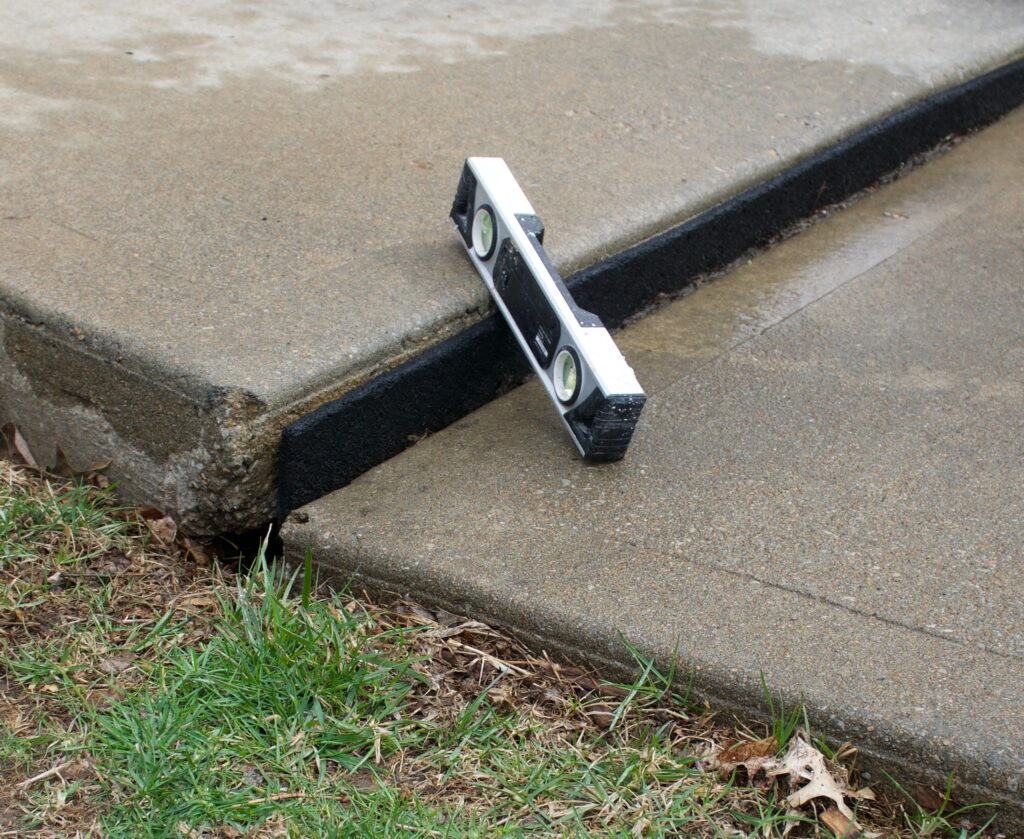
Understanding Open-Cell vs. Closed-Cell Foam
Not all foam is created equal. The terms “open-cell” and “closed-cell” refer to how the tiny bubbles (or “cells”) inside the foam are structured.
Open-Cell Foam
- Softer and lighter
- Filled with tiny air pockets
- Can absorb moisture like a sponge
- Commonly used in interior insulation jobs (walls, attics, etc.)
Closed-Cell Foam
- Rigid and strong
- Each cell is completely sealed
- Moisture-resistant and highly durable
- Designed for load-bearing and structural support
So what does that mean in the real world? Let’s break it down by how this choice impacts your job.
Closed-cell spray foam for concrete lifting
Whether you’re lifting a residential driveway or stabilizing a commercial slab, your material needs to withstand stress, moisture, and time. Closed-cell foam does that. Here’s how:
Stronger Lift
Closed-cell foam has the compressive strength to lift heavy slabs and keep them there. Once injected, it expands to fill gaps and support concrete from below, without shrinking back down.
Water Resistance
This is a major one. Closed-cell foam doesn’t absorb water. That means it won’t degrade or soften if the surrounding soil gets wet. It also helps block future water movement that could destabilize the area again.
Long-Term Stability
Over time, open-cell foam can collapse or wash away. Closed-cell foam stays where you put it. It cures into a durable, dense material that supports concrete even under heavy loads.
Precise Application
Because it is denser and more controlled, closed-cell foam provides contractors with the accuracy needed to raise slabs evenly and avoid overcorrection.
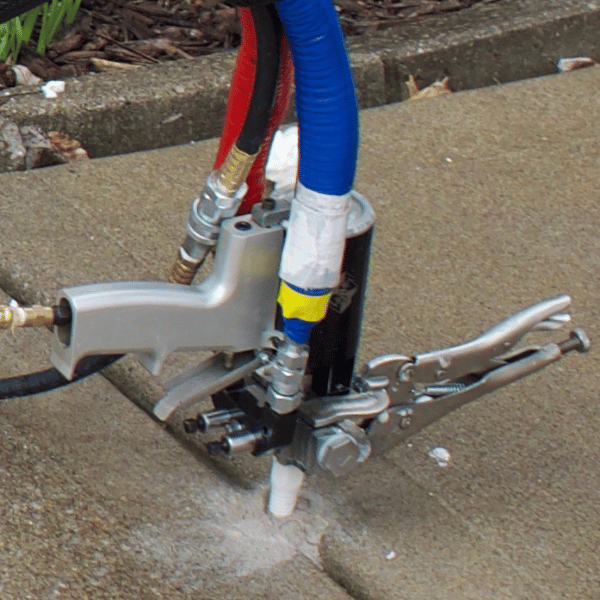
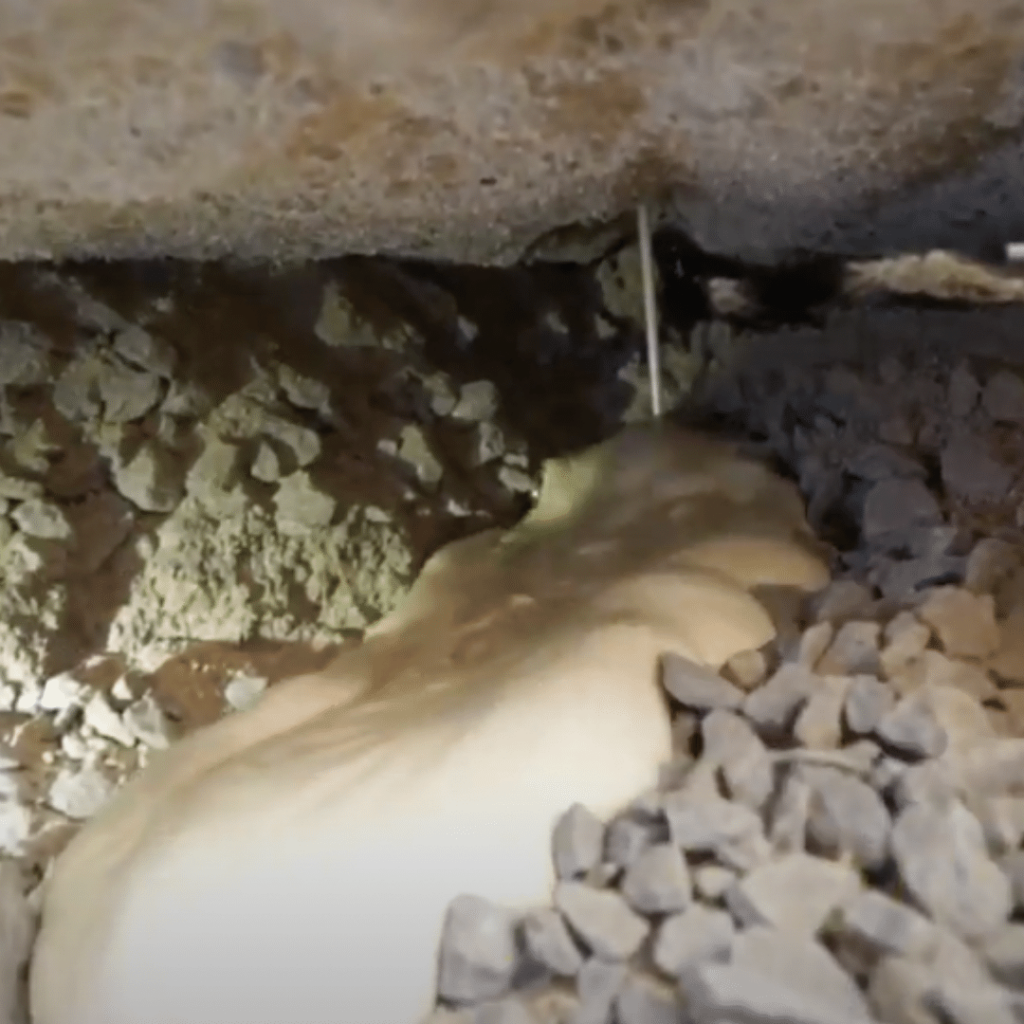
Why Open-Cell Foam Isn’t Right for Concrete Lifting
Open-cell spray foam has its place—especially in wall and attic insulation, where sound absorption and flexibility are beneficial. In fact, PolyPier offers an open-cell insulation option for such applications. But when it comes to concrete lifting and structural work, open-cell foam just isn’t the right material. Here’s why:
- It soaks up water, weakening the foam and causing it to move.
- It doesn’t provide enough support for concrete slabs, sidewalks, or roads.
- It breaks down over time, potentially leading to costly callbacks.
- It compresses under pressure, making it unreliable for lifting jobs.
In short, open-cell foam creates problems that closed-cell foam was designed to solve.
Applications Where Closed-Cell Foam Excels
PolyPier’s closed-cell polyurethane foam isn’t just for one type of project—it’s versatile, reliable, and strong enough for a wide range of applications:
Residential:
- Driveways – Restore curb appeal and eliminate trip hazards.
- Sidewalks – Fix sunken or uneven walkways without complete replacement.
- Pool Decks – Level and support surrounding slabs for safety and longevity.
Commercial & Industrial:
- Floor Slabs – Repair warehouse or factory floors with minimal downtime.
- Soil Stabilization – Reinforce weak soils before new construction.
- Roads & Highways – Fill voids and lift surfaces without closing lanes for days.
Regardless of the project, the properties of closed-cell foam help you complete the job correctly the first time.
Why Contractors Choose PolyPier
PolyPier is backed by Earth Contact Products (ECP)—one of the most trusted names in the industry. Contractors know they can count on PolyPier because:
- Our closed-cell foam is engineer-approved and rigorously tested.
- We offer multiple formulations to meet various job-site needs.
- Our team provides ongoing support to help our partners succeed.
- We’re built around contractors—we know what your crews need in the field.
With a growing library of case studies, we continually showcase real-world examples of PolyPier in action.
Bottom Line: Use the Right Foam for the Right Job
The right foam is the foundation of your work. While open-cell spray foam is an excellent choice for insulation applications like walls and attics, it’s not designed for lifting concrete or stabilizing soil. For those demanding structural jobs, closed-cell spray foam for concrete lifting is the only choice.
If you want long-term results and satisfied customers, don’t compromise on the quality of your materials. Use foam that performs like you do—strong, reliable, and built to last.
Questions? Contact us to learn more about what we offer!