Featured Jobs: Polyurethane Grout Project
Congratulations to the winner of the 2020 PolyPier Job of the Year: Foundation Professionals of Florida (FPI)
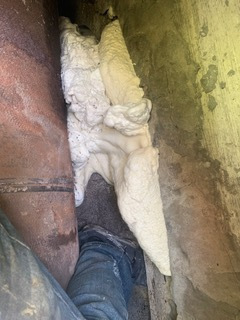
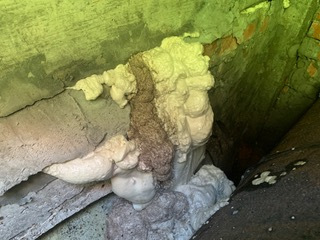
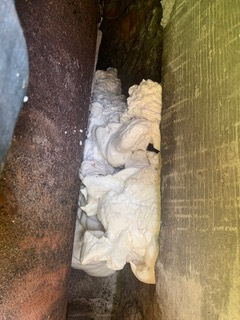
PROJECT OVERVIEW POLYPIER JOB OF THE YEAR. The work efforts covered within this project consist of Foundation Professionals of Florida (FPI) furnishing supervision, labor, materials, and equipment necessary to inject a plural-component structural polyurethane grout. For many years, the pipes and structures have experienced soil infiltration through leaking joints, resulting in very loose subsurface soils. These leaking joints have caused roadway depressions and pavement failure.

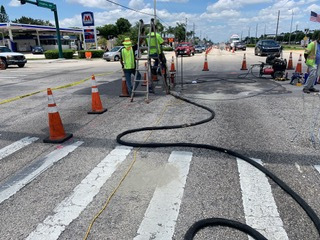
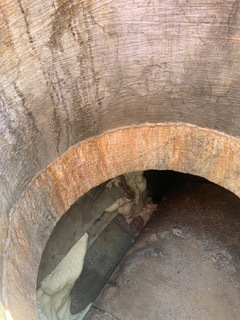
The grouting program aimed to enhance subsurface conditions. It involved filling voids, stabilizing, and re-compacting loose soils around stormwater pipes and structures on Florida Department of Transportation (FDOT) owned SR-5 (US-1). This covered SE Cove Road and SE Salerno Road through SR5 in Martin County, Florida. The work targeted specified locations as shown on the project plans. Polyurethane grout injection was carried out around reinforced concrete pipes (RCP) ranging from 42″ to 66″ in diameter. This included intersecting manhole structures. Before the grout injection, the pipes were lined using the Cured-In-Place Pipelining (CIPP) method.
CHALLENGES
A major challenge included a substantial increase in polyurethane material exceeding the original estimate required to remediate the loose soil conditions back to a compacted state. The required overrun expanded the original construction and caused delays in the paving operation phases. To minimize delays, the General Contractor requested FPI to mobilize an additional polyurethane grout rig and brought in additional crew members to expedite the injection process.
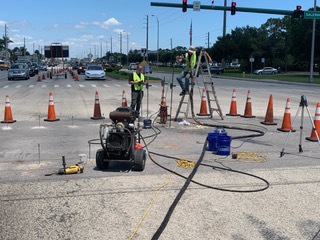
The work was performed through the hot summer months of Florida. The crews often would experience 130-plus-degree days baking off the black asphalt roadway. Maintaining hydration was a must during the grueling parts of the scorching days. Temporary canopies were set up to provide shade for the crew members and the polyurethane grout material. Dedicated crew leaders and members sacrificed 101 long days living out of town and away from their families to complete the tasks methodically.
Polyurethane Grout Solutions
Plural component polyurethane grout was pressure injected into the existing soil through injection pipes adjacent to the existing stormwater structure and into the loose soil strata.
The injection pipes were installed utilizing the primary and secondary sequences. Secondary pipes were indicated in the grouting plan but were not needed. Electric and/or handheld hammer drills were used to drill through the existing asphalt, concrete, and base rock where applicable. FPI installed 1,876 injection points to achieve the desired results.
FPI advanced 1/2” o.d. rigid wall pipes to the proposed depths using pneumatic and electric drivers to implement this injection grout method. Some injection pipes were sealed with an expendable point to prevent soil from entering the pipe during installation. The injection point piping was installed on a 5-row grid pattern over and adjacent to the stormwater pipes. It was approximately 3’ centers along the alignment of the pipes at the planned locations. The outside rows of injection pipes were advanced to 3’ below the bottom of the RCP. The center row of injection pipes was installed at the top of the RCP.
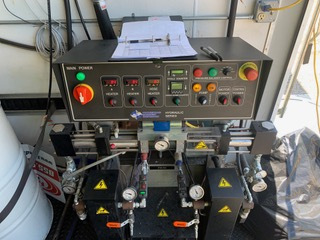
During the grout injection, grouting pressure and intakes were continuously monitored utilizing dial-type pressure gauges and the GAMA GH25 or GH40 Control Panel Volume Measurement System. A grid pattern for primary injection pipes was established, as indicated in the Grout Injection Plan. The grout was injected beginning at the lower depth of the grouting limits. The grouting process progressed in stages within each injection pipe using the bottom-up method. The bottom-up method stages start at the bottom of the grouting pipe, at competent material, and progress upward. The ground surface and adjacent structures were monitored at all times during grout injection. They were monitored for surface movement, otherwise known as heave. Pre-established monitoring points on all structures, curb sections, and exterior slabs were monitored during grout injection. Grout injection would cease for any given stage when the specified movement was detected. The grout pumping rates and pressures were carefully controlled.
QUALITY CONTROL
Quality control was the responsibility of FPI. FPI provided test shots to test the unit weights and determine compressive strength values. Test shots included delivering materials Part A and Part B into a known volume measured container individually/separately and comparing the amounts of each material delivered. The delivery of the materials is considered acceptable when the results of the two containers fall within the ratio range of 0.95 to 1.05. If the measured volumes fall outside of the acceptable range, adjustments to the system would be required. FPI delivered approximately five gallons of each component to perform the volumetric test shots.
Accurate records were recorded for pressure grout materials, mix portions, quantities of grout injected, and injection pressures. Before any polyurethane injection, referenced elevation readings were documented and recorded in various areas of the proposed injection locations. Post-grouting referenced elevation readings were documented and recorded at the same locations to determine if any heave occurred. During grouting operations, laser detectors were strategically placed within and outside the area to be grouted within a 10-foot radius from the injection point. A laser-level control system was set up and monitored during all grouting operations. Detection sensors would alarm grouting technicians when heave or movement was detected. If heave is detected more than 1/16”, then grouting operations would cease at that location and move to the next injection point.
Approximately 1500 horizontal feet of subsurface soil adjacent to and around RCP and manhole structures was remediated. A total of 1876 injection points were advanced to an average depth of 12.2′ below the asphalt surface (BAS), totaling 22,887 feet of pipe installed (4.33 miles). 161,905.46 lbs. of Plural Component Structural Highly Expansive Polyurethane Grout was injected to stabilize the loose soils, fill voids, and seal structures. Foundation Professionals of Florida has improved the soil conditions below the roadway, and the work was successfully completed in 101 working days. The traveling public can feel safe as they travel across the newly constructed road for many years.
ECP Products Used:
- ECP Poly Pier P2-011 Rigid Foam System
Installers Names: Crew Leader Lance Green, Superintendent Jimmy Derringer, Assistant Crew Leader Derrick Kirkland, Crew Members Ryan Kirkland, Conner Phillips, Kevin Maquey, Bo Derringer
Other Professionals on the Job: Geotechnical Engineer, General Contractor