Starting a Concrete Lifting Business: What Contractors Need to Know
If you already work in foundation repair, concrete repair, waterproofing, construction, or another specialty trade, you may regularly encounter a problem your customers want solved: sunken, uneven, or unstable concrete.
Adding concrete lifting and leveling to your services can give you another way to address these problems without requiring customers to replace an otherwise serviceable slab.
One method used by professional concrete lifting contractors is polyurethane foam injection. Specialized polyurethane material is injected beneath the concrete, where it expands to fill voids, stabilize weak areas, and provide controlled lift where appropriate.
But starting a concrete lifting business—or adding concrete lifting to an existing company—requires more than purchasing foam and injection equipment. Contractors need the right equipment, training, evaluation skills, application knowledge, and support.
This guide explains what contractors should consider before getting into polyurethane concrete lifting and how the PolyPier system from Earth Contact Products (ECP) can help professionals add this service to their businesses.
Why Contractors Are Adding Concrete Lifting Services
Uneven concrete is a common problem around residential, commercial, and other properties. Soil settlement, erosion, poor compaction, water movement, and other subsurface conditions can create voids or allow concrete slabs to sink.
For contractors who already encounter these conditions, concrete lifting can be a natural extension of existing services.
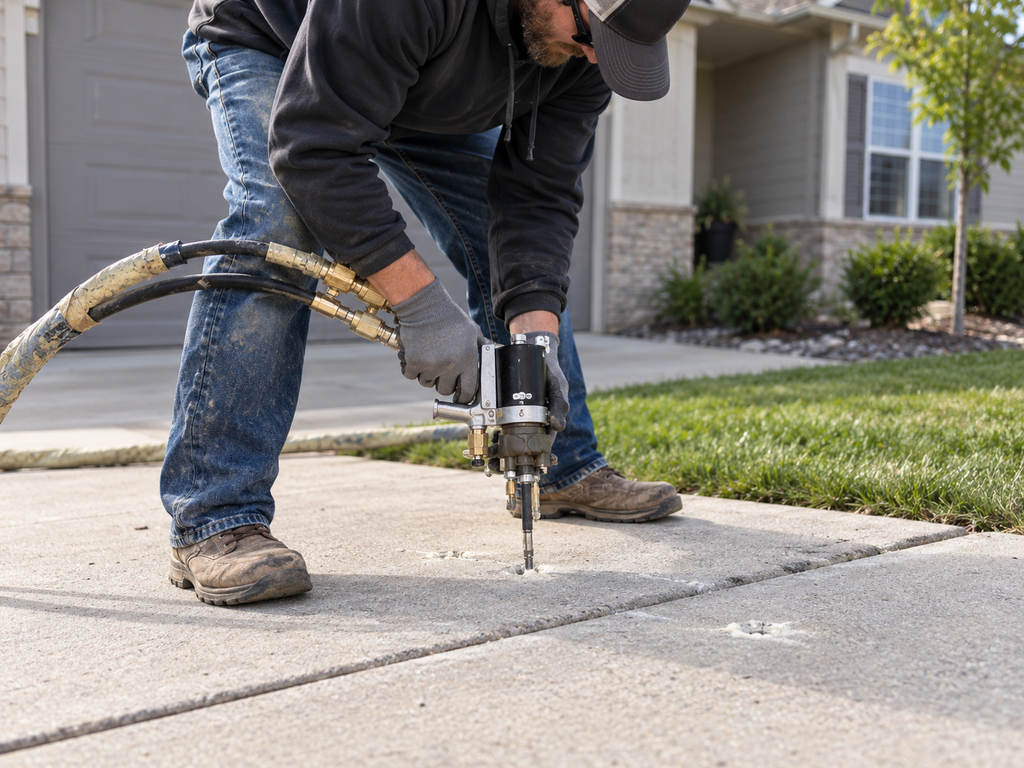
Potential applications include:
- Sidewalks and walkways
- Driveways
- Patios
- Pool decks
- Garage floors
- Interior concrete slabs
- Commercial concrete
- Other settled concrete surfaces suitable for lifting
For example, a foundation repair contractor may visit a property because of structural settlement while also discovering a sunken walkway or driveway. A waterproofing contractor may encounter exterior concrete that has settled near a structure. A concrete contractor may have customers asking whether an uneven slab can be repaired instead of completely replaced.
Adding polyurethane concrete lifting allows qualified contractors to offer another potential solution when conditions are appropriate.
What Is Polyurethane Concrete Lifting?
Polyurethane concrete lifting uses specialized expanding foam to fill voids and lift settled concrete.
The contractor drills small injection holes through the slab at carefully selected locations. Polyurethane material is then injected beneath the concrete. As the material reacts and expands, it fills available voids and can exert controlled lifting pressure against the underside of the slab.
The contractor monitors the slab throughout the process, making adjustments to achieve the desired result.
Once lifting is complete, the injection holes are finished and the work area can be cleaned.
Although the concept sounds straightforward, successful concrete lifting requires an understanding of the slab, underlying conditions, equipment, material behavior, and lifting process. This is why professional training is an important consideration for contractors entering the industry.
What Types of Concrete Can Be Lifted?
Polyurethane foam can be used for many concrete lifting and stabilization applications when the existing slab and site conditions are suitable.
Common applications include:
Sidewalks and Walkways
Settled sidewalk sections can create uneven surfaces and trip hazards. Polyurethane lifting may allow contractors to reposition existing concrete without removing and replacing the entire section.
Learn more about available sidewalk lifting foam products.
Driveways
Driveway slabs can settle as supporting soils consolidate, erode, or develop voids. Polyurethane can be used to fill underlying voids and lift appropriate sections of existing concrete.
Learn more about available concrete driveway lifting products.
Pool Decks
Settlement around pools can leave sections of concrete uneven. Because these areas may contain plumbing, drainage systems, and other site considerations, careful evaluation and injection planning are especially important.
Learn more about available pool deck lifting products..
Patios and Other Exterior Slabs
Patios and other exterior concrete surfaces may settle because of changing soil and moisture conditions. Lifting may provide an alternative to removing an otherwise usable slab.
Garage Floors and Interior Slabs
Voids or settlement beneath interior concrete can sometimes be addressed using polyurethane injection. Contractors must evaluate the slab, structure, utilities, and underlying conditions before determining the appropriate repair approach.
Commercial Concrete
Concrete lifting contractors may also encounter opportunities involving commercial properties and larger concrete surfaces. These projects can introduce additional considerations related to loads, site access, traffic, equipment, and project specifications.
Polyurethane Foam vs. Traditional Mudjacking
Contractors researching concrete lifting often compare polyurethane foam injection with traditional mudjacking.
Both methods are intended to address settled concrete, but they use different materials and installation approaches.
| Consideration | Polyurethane Foam Lifting | Traditional Mudjacking |
|---|---|---|
| Injected material | Expanding polyurethane | Cementitious/slurry material |
| Material weight | Lightweight | Heavier |
| Injection openings | Relatively small | Typically larger |
| Material reaction | Expands beneath slab | Slurry is pumped beneath slab |
| Return to service | Typically rapid | May require more curing time |
| Jobsite impact | Small injection points and limited material handling | Requires handling larger quantities of slurry |
Polyurethane’s lightweight nature can be particularly valuable because the repair material does not add the same amount of additional weight to already compromised supporting soils as a heavier slurry.
However, choosing a concrete repair method should always be based on the slab, site conditions, cause of settlement, intended use, and other project-specific factors.
What Equipment Do You Need to Start a Concrete Lifting Business?
One of the first questions prospective contractors ask is what equipment is required to begin offering polyurethane concrete lifting.
The exact setup will depend on the polyurethane system, the types of projects being performed, and equipment the contractor already owns.
A professional setup may include:
Polyurethane Material and Proportioning Equipment
The polyurethane system is at the center of the operation. Specialized equipment is used to properly process and deliver the material used beneath the slab.
Consistency matters. Contractors need to understand how their material and equipment work together and how changes in conditions can affect material behavior.
Injection Equipment
Hoses, injection components, ports, and related equipment are needed to deliver polyurethane through the slab and into the areas requiring treatment.
Drilling Equipment
Contractors need appropriate drills, bits, and accessories to create injection points efficiently and accurately.
Air and Power
Depending on the equipment configuration, contractors may require a generator, compressor, or other power sources at the jobsite.
Truck and Trailer
Equipment, material, hoses, tools, and supplies must be safely transported and organized. Contractors entering the business should consider the vehicle and trailer requirements associated with their planned setup.
Personal Protective Equipment
Appropriate PPE is an essential part of professional polyurethane application. Contractors should follow the material manufacturer’s safety guidance, applicable Safety Data Sheets, equipment instructions, and workplace safety requirements.
Business and Estimating Tools
Starting a concrete lifting operation also involves the same business infrastructure required for other professional services. Estimating, scheduling, invoicing, customer relationship management, project documentation, insurance, marketing, and lead management should all be considered.
What Skills Does a Concrete Lifting Contractor Need?
Buying the equipment does not automatically make someone a concrete lifting professional.
Successful contractors need to develop both technical and diagnostic skills.
Evaluating Why the Concrete Settled
Before attempting a lift, contractors should investigate the conditions surrounding the slab.
Possible contributors can include:
- Poorly compacted fill
- Soil settlement
- Soil erosion
- Water movement
- Drainage problems
- Voids beneath the concrete
- Changes in supporting soil conditions
Understanding why the concrete moved helps the contractor determine whether polyurethane lifting is appropriate and how the project should be approached.
Understanding Slab Behavior
Concrete does not always move uniformly. Cracks, joints, slab thickness, reinforcement, adjoining structures, loads, and existing damage can influence how a slab responds during lifting.
Contractors need to recognize these conditions before and during injection.
Planning Injection Locations
Injection points should be planned based on the slab and conditions beneath it rather than treated as a universal pattern.
Proper training helps contractors understand how injection location and sequence influence material placement and slab movement.
Controlling the Lift
Polyurethane expands after injection. Contractors need to understand the material’s behavior and carefully monitor movement to achieve controlled results.
Recognizing When Concrete Should Not Be Lifted
One of the most important skills is knowing when not to perform a lift.
Not every damaged or uneven slab is a good candidate for polyurethane concrete lifting.
Is Every Sunken Concrete Slab a Candidate for Lifting?
No.
Concrete lifting is a repair method, not a universal solution for every damaged slab.
Before recommending lifting, contractors should evaluate factors such as:
- Condition of the existing concrete
- Severity and pattern of cracking
- Cause of settlement
- Condition of the supporting soils
- Presence of significant voids
- Drainage and water conditions
- Adjacent structures
- Utilities and other subsurface considerations
- Intended use and loading of the slab
If the concrete itself has deteriorated beyond a serviceable condition, replacement or another repair approach may make more sense.
Professional concrete lifting begins with diagnosis, not injection.
That distinction is important for building a reputable concrete repair business and setting appropriate expectations with customers.
How Much Does It Cost to Start a Concrete Lifting Business?
There is no single startup cost that applies to every contractor.
The investment depends heavily on the equipment and infrastructure you already have.
An established contractor may already own a suitable truck or trailer, generator, compressor, drilling equipment, safety gear, and many of the tools required for field work. A new business starting from scratch may need to account for considerably more.
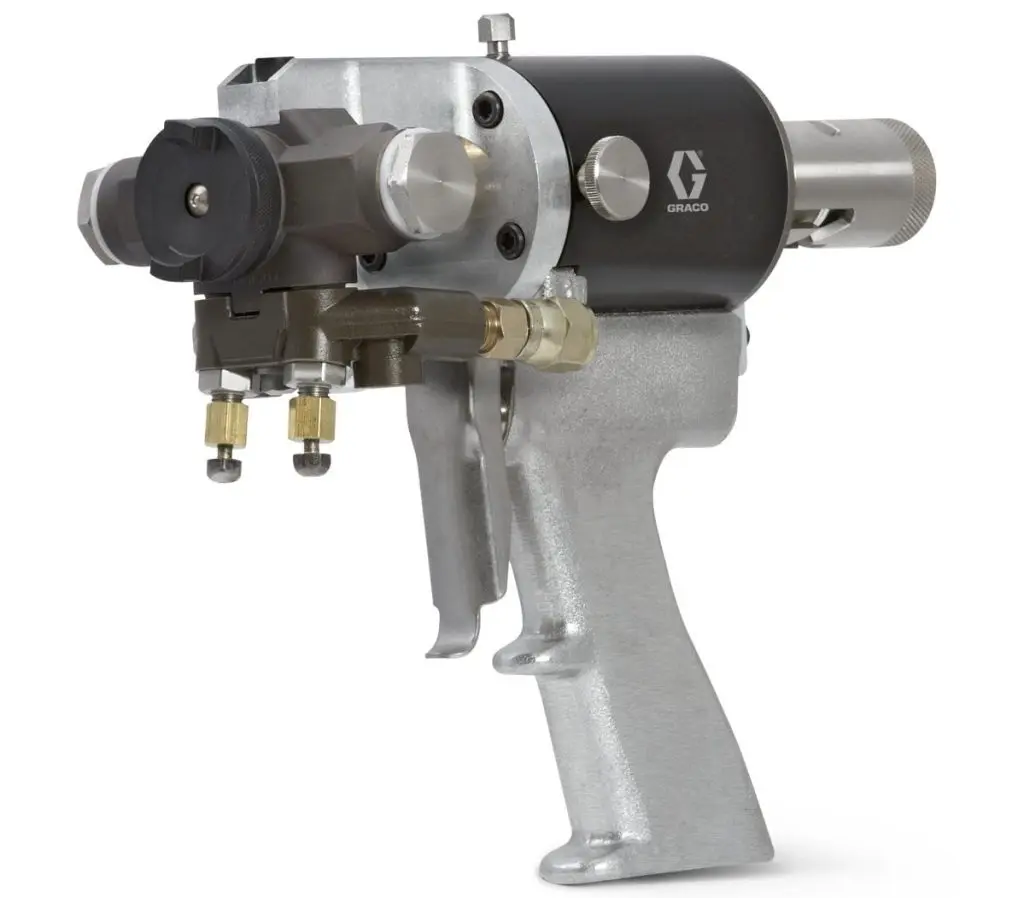
Potential startup expenses can include:
- Polyurethane proportioning and application equipment
- Initial polyurethane material inventory
- Injection equipment and hoses
- Drilling equipment
- Generator and/or compressor
- Truck or trailer
- Personal protective equipment
- Training
- Insurance and business expenses
- Marketing and sales materials
- Estimating, scheduling, and customer management software
Instead of focusing only on the initial equipment purchase, contractors should consider the complete cost of establishing a professional concrete lifting operation.
Contractors interested in PolyPier can contact ECP to discuss equipment, material, training, and other requirements associated with adding polyurethane concrete lifting to their services.
Do You Need Training to Become a Concrete Lifting Contractor?
Professional training is highly valuable when entering polyurethane concrete lifting.
There is much more to the process than drilling holes and injecting foam.
Contractors need to understand:
- Equipment setup and operation
- Polyurethane material behavior
- Jobsite evaluation
- Injection planning
- Controlled lifting techniques
- Void filling and stabilization
- Troubleshooting
- Equipment maintenance
- Safety procedures
- Jobsite best practices
Training gives contractors an opportunity to learn the system before taking what they’ve learned into customer projects.
Concrete Lifting Training with PolyPier
ECP offers PolyPier concrete lifting training for contractors who want to develop their knowledge of polyurethane concrete lifting and equipment operation.
PolyPier School helps contractors gain experience with the system while learning concrete lifting techniques, equipment operation, project evaluation, and troubleshooting.
For contractors adding concrete lifting to an existing business, training can help shorten the learning curve and provide a stronger foundation for offering the service professionally.
Upcoming training opportunities and registration information can be found on the PolyPier and ECP training pages.
Why Choose the PolyPier System?
The polyurethane material itself is only one part of building a concrete lifting operation.
Contractors also need equipment knowledge, application training, technical resources, and a supplier they can work with as their business develops.
ECP’s PolyPier system is designed specifically for professional polyurethane concrete lifting and stabilization applications.
Contractors choosing PolyPier gain access to a system backed by Earth Contact Products, an established manufacturer serving the foundation repair and specialty construction industries.
PolyPier can help contractors build their concrete lifting capabilities through:
- Professional polyurethane concrete lifting solutions
- Equipment and application guidance
- Contractor education and training
- Technical knowledge
- Resources for concrete lifting applications
- Opportunities to expand an existing repair business
For contractors already working in foundation repair or related trades, PolyPier can also complement other services by providing a solution for appropriate settled concrete problems encountered on existing jobs.
How to Become a PolyPier Contractor
If you’re considering starting a concrete lifting business or adding polyurethane lifting to your existing services, the first step doesn’t have to be purchasing equipment.
Start by learning what the business requires.
Talk with the PolyPier team about your current services, market, equipment, experience, and goals. From there, you can better understand the system, training opportunities, equipment requirements, and what it takes to begin offering professional polyurethane concrete lifting.
Frequently Asked Questions About Starting a Concrete Lifting Business
Start by learning how polyurethane concrete lifting works and evaluating the market you intend to serve. You’ll need professional equipment, polyurethane material, appropriate transportation and support equipment, PPE, business infrastructure, and training. Existing contractors may already own some of the equipment needed to add concrete lifting as a new service.
A professional setup typically includes polyurethane proportioning and application equipment, injection components, hoses, drilling equipment, appropriate power and air sources, PPE, and a vehicle or trailer for transporting equipment and material. Exact requirements depend on the system and types of projects you plan to perform.
Startup costs vary significantly based on the equipment you already own and the concrete lifting system you choose. Contractors should consider not only polyurethane equipment and material but also transportation, power, tools, PPE, training, insurance, marketing, and normal business expenses.
Professional training is strongly recommended. Contractors need to understand equipment operation, material behavior, slab evaluation, injection planning, controlled lifting, troubleshooting, safety, and jobsite procedures before performing concrete lifting professionally.
Depending on slab and site conditions, polyurethane foam may be used for sidewalks, driveways, patios, pool decks, garage floors, interior slabs, commercial concrete, and other suitable concrete surfaces.
Yes. Concrete lifting can complement foundation repair and other specialty contracting services because contractors frequently encounter settlement, soil, drainage, and concrete problems on the same properties. Contractors should obtain appropriate equipment and training before adding polyurethane lifting to their services.
Polyurethane lifting uses lightweight expanding foam injected through relatively small openings in the concrete. Traditional mudjacking pumps a heavier cementitious slurry beneath the slab. The materials, equipment, injection process, and return-to-service characteristics differ between the two methods.
Polyurethane materials react and cure rapidly, which can allow repaired areas to return to service relatively quickly. Exact timing depends on the PolyPier material used, application, project conditions, and manufacturer recommendations.
Professional contractors interested in polyurethane concrete lifting can contact ECP to learn about PolyPier materials, equipment, training, and contractor opportunities.
Yes. ECP offers PolyPier training designed to help contractors learn polyurethane concrete lifting techniques, equipment operation, job evaluation, and troubleshooting. Contractors can visit the PolyPier concrete lifting training page for current training information.
Ready to Add Concrete Lifting to Your Business?
Whether you’re building a new concrete lifting business or expanding an established foundation repair, concrete, waterproofing, or specialty contracting company, success starts with more than choosing a polyurethane foam.
You need to understand the problems you’re repairing, use the right equipment and material, develop proper application skills, and know when concrete lifting is—and isn’t—the right solution.
PolyPier by ECP brings the material, equipment knowledge, contractor training, and industry support together to help professionals build their concrete lifting capabilities.
Ready to explore the opportunity?
Become a PolyPier Contractor or contact PolyPier to learn more about getting started with polyurethane concrete lifting.