Using Polyurethane Foam for Soil Stabilization
PolyPier is a versatile material used for various applications, including concrete lifting and leveling for surfaces such as sidewalks, driveways, and patios. However, one of its lesser-known uses is for soil stabilization. In this article, we’ll explore how PolyPier expanding polyurethane foam can be used to stabilize soil and its advantages over other traditional methods.
What is Soil Stabilization?
Concrete Lifting Foam Uses
Read more about some of the uses for PolyPier concrete lifting foam:
Soil stabilization is the process of improving the engineering properties of soil to increase its strength, durability, and resistance to deformation. There are several methods for soil stabilization, including mechanical, chemical, and thermal methods. Each method has its advantages and disadvantages, depending on the soil type, project requirements, and other factors.
One of the most common methods of soil stabilization is the use of cement, lime, or other chemical stabilizers. These materials are mixed with the soil to improve its strength and durability. However, these methods have several drawbacks, including long curing times, high cost, and environmental concerns.
Why is PolyPier a Better Choice for Soil Stabilization?
PolyPier, on the other hand, offers several advantages over traditional soil stabilization methods. The foam is injected into the soil, where it expands and hardens to create a lightweight, durable, and stable mass. The components that PolyPier is comprised of combine to form a strong and resilient material.
One of the main advantages of using PolyPier is its speed. The foam sets within minutes of being injected, allowing work to continue without long curing times. This is especially useful in areas with high traffic or where time is of the essence.
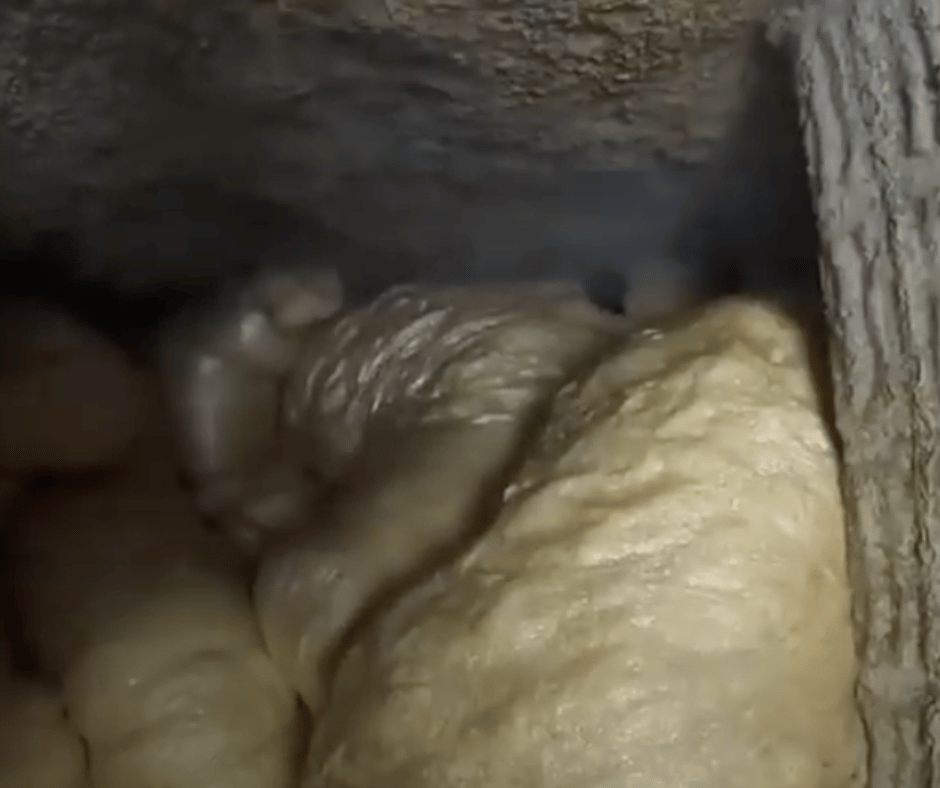
PolyPier is also lightweight, which reduces the load on the soil. This is particularly useful in areas where heavy equipment cannot be used. The foam can also be used to stabilize soil in areas where traditional methods are impractical, such as steep slopes or inaccessible locations.
Another advantage of polyurethane foam is its resistance to water and chemicals. The PolyPier is not affected by moisture or chemicals in the soil, making it an ideal choice for stabilizing soil in areas with high water tables or contaminated soils.
PolyPier is also environmentally friendly, as it does not contain any harmful chemicals. This makes it a safer and more sustainable option than traditional stabilizers.
Become a PolyPier Partner
To summarize, PolyPier offers several advantages over traditional soil stabilization methods. Its speed, lightweight, durability, and resistance to water and chemicals make it an ideal choice for stabilizing soil in a variety of applications. As a result, an increasing number of engineers and contractors are turning to PolyPier for their soil stabilization needs.
Get connected and become a PolyPier Partner! Fill out our form and we will get back to you shortly!